
Permanent Exhibition

Come meet us
Permanent Exhibition

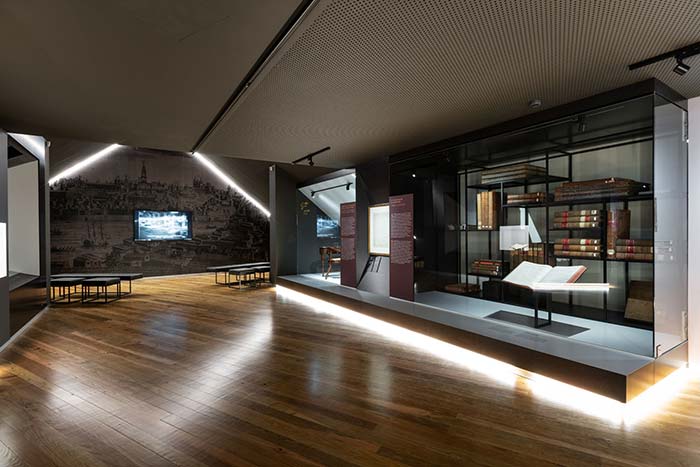
The Museum of the Oldest Appellation in the World presents through its permanent exhibition a small but representative part of Real Companhia Velha’s collection.
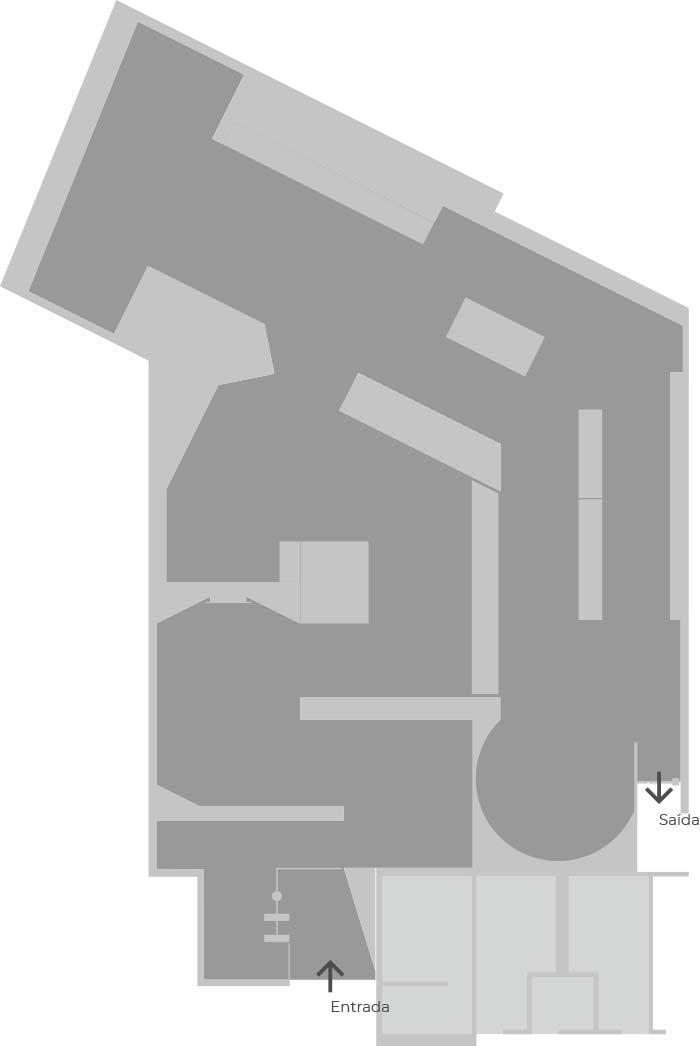
Recounted here is the history of this Company and its inseparable connection to the history of Port Wine, elevating it as the symbol of this region. The permanent exhibition is divided into seven interconnecting sections to highlight the importance of this former chartered company.

This permanent exhibition aims to be a vessel to spread knowledge, and also to debate the key themes of our history: the foundation of Real Companhia Velha; Port wine; its importance to the region, namely through all the work developed by the Company, focusing on the demarcation of the Douro region. All this knowledge, rooted on national and local history, is conveyed by means of the many objects on display but also through multimedia and interactive devices that promote visitor immersion into the presented themes.

The origins of Real Companhia Velha – Companhia Geral da Agricultura das Vinhas do Alto Douro

The first exhibition section shows how Portugal’s political and economic environment in the mid-18th century was determinant to help implement this Company in 1756. Originally it was named Companhia Geral da Agricultura das Vinhas do Alto Douro, its purpose was to regulate wine production and trade in this specific territory.

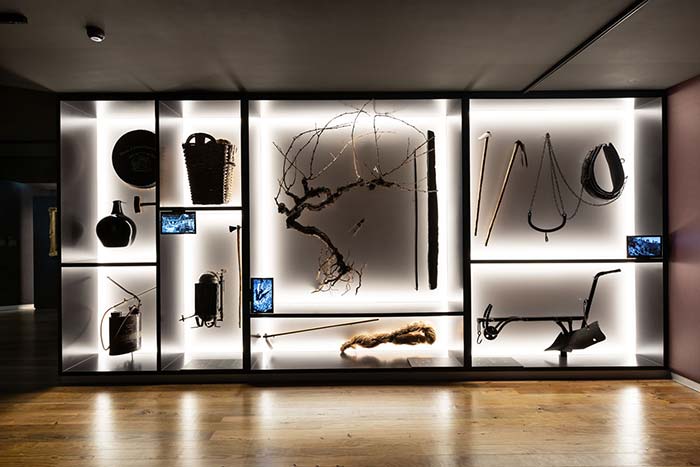
The assets shown here consist of a set of items which characterise the agricultural tools and instruments used in the Douro region. These are the key items of many processes that helped shape the landscape by creating the beautiful terraces, making it possible to grow vineyards in the region.

 

Personalities

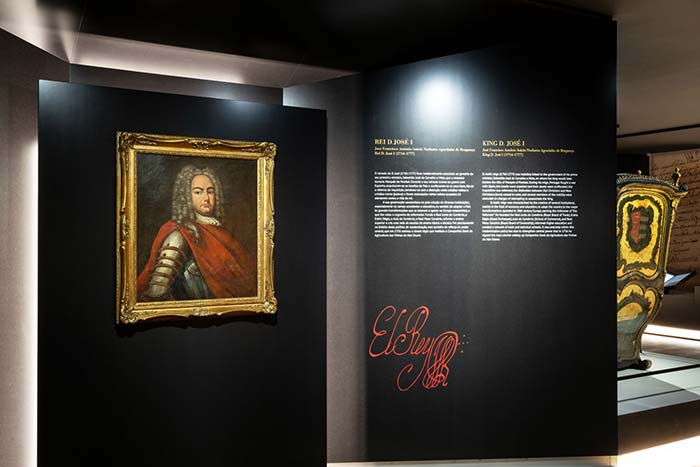
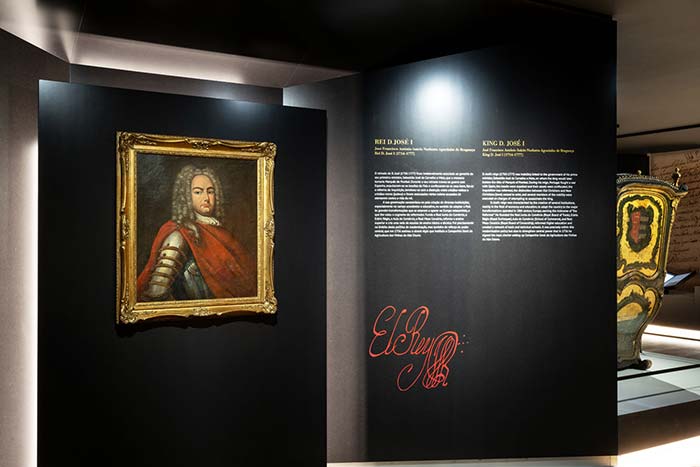
The second section of the exhibition is dedicated to the personalities that marked the path of Real Companhia Velha. Prominent here are the portraits of the Marquis of Pombal and of King D. José I. These were personalities who shaped Portuguese history and are behind the foundation of the Company. In this section, visitors may discover the directors and chairmen that lead this company over the centuries.

The Chartered Company

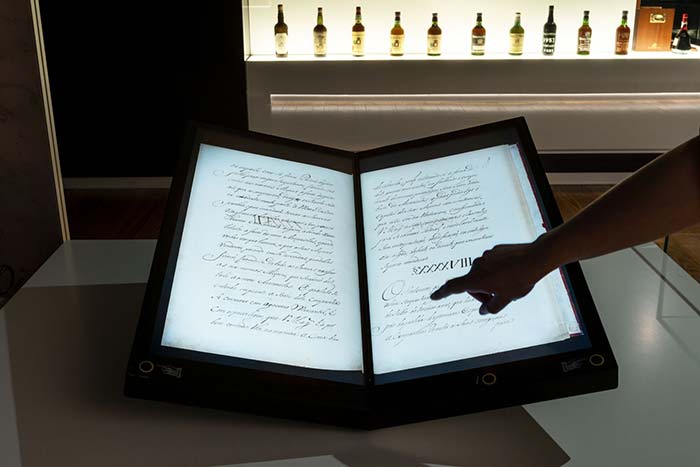
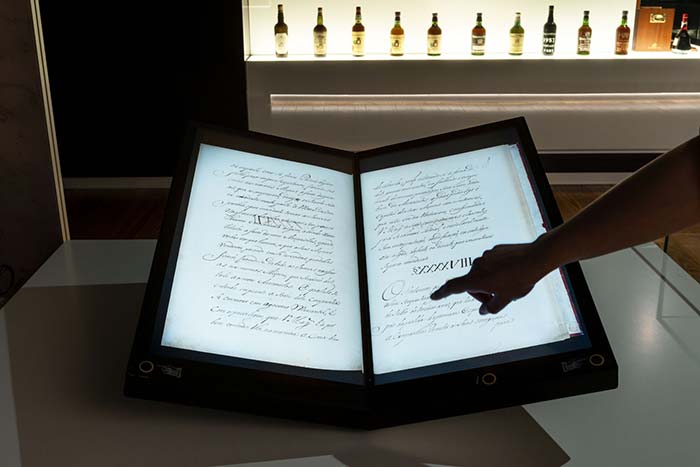
The third section of the exhibition presents Real Companhia Velha as a privileged charter company, with all its prerogatives and privileges. This period corresponds to the phase between the year of its foundation in 1756 and 1834. In support of this narrative, which characterises the Company as an institution, its activity and objectives, several items and documents that marked that period, are displayed. Namely the Royal Charter, the first share of the Company and also examples of Appellation Inventories it produced.

Transforming the Territory

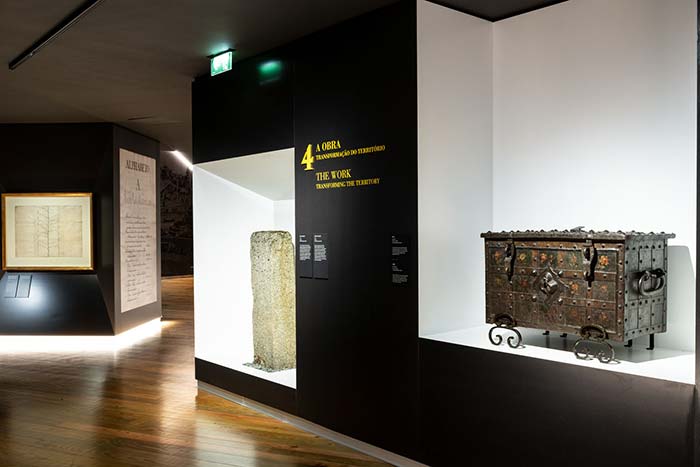
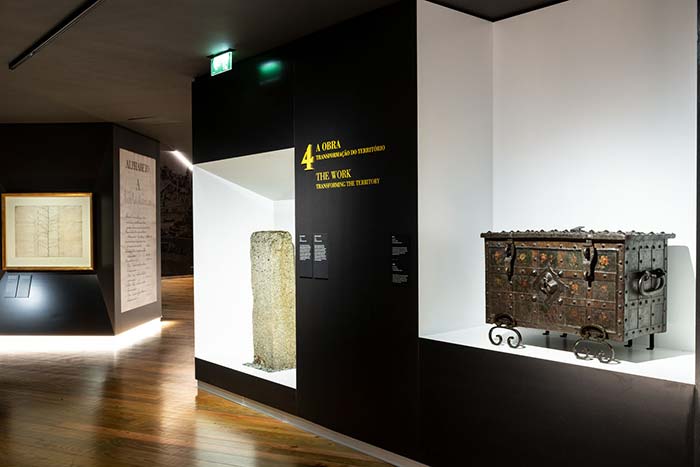
The exhibition now highlights the territorial projects carried out by the Company. It emphasises the works carried out on the River Douro (specifically the demolition of Cachão da Valeira), to enable its navigation and thus facilitate the transport of produced wines to the city of Porto and from there to the rest of the world.

Highlighted in the exhibits on display are a boundary marker, used to demarcate vineyeards in the Upper Douro region and the original detailed map, signed by Sebastião José de Carvalho e Melo, declaring the land suitable for producing wine for shipping and for retail. Presented in this section is a film about the life of a crew aboard a rabelo boat, demonstrating all the difficulties of this voyage. The existing interactive platform presents us multiple aspects of the Douro appellation region.

Education

Another aspect of the work carried out by Real Companhia Velha, and usually unknow by the public, is revealed in the fifth exhibition section. Here, we focus on the Company’s essential role in supporting the origins of higher technical education in Porto. Through the Nautical Class and later the Sketching and Drawing Class, predecessors of the Royal Academy of Maritime and Trade Affairs, which gave rise to the Polytechnic Academy and then to the University of Porto.

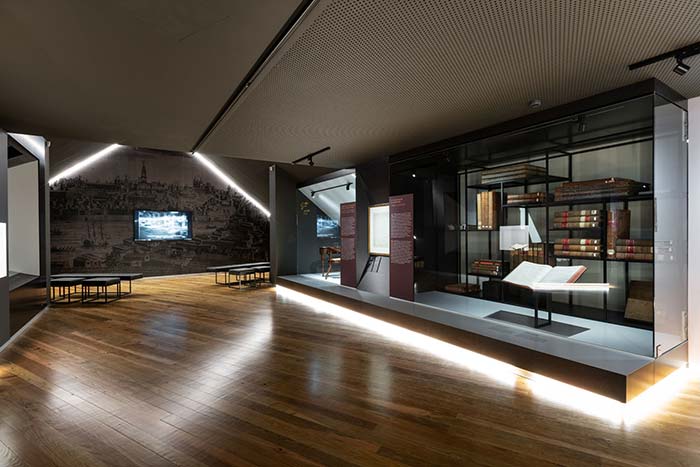
In the accounting context the Company stood out by its use of innovative accounting methods, specifically the double entry bookkeeping, used to calculate credits and debits. The display cases show a representation of a Real Companhia Velha office sharing space with a number of account books that are part of the company’s accounting history.

The Company’s Trade presence in the World

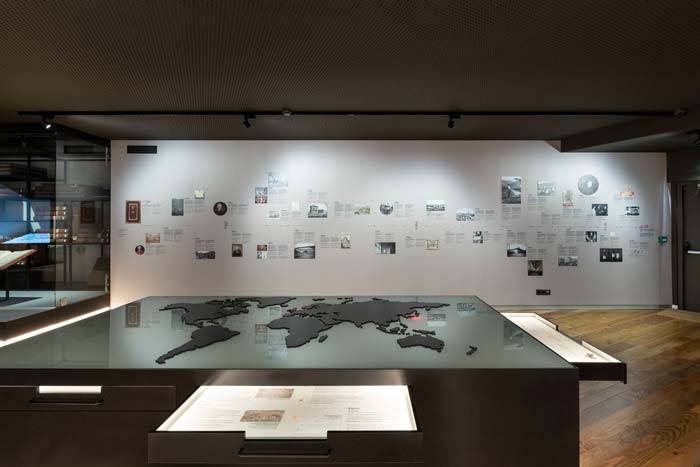
The sixth exhibition section highlights the extended world trade presence of Real Companhia Velha, right from its earliest beginning. Note the map of the World where with a series of drawers, this interactive display unveils the history of the international relations in the four corners of the World that marked the Company’s activity right from the start. This narrative is supported by a large number of stencils presenting the diverse destinations of the wine produced by the Company. On the opposite side, a chronological timeline correlates historical milestones of the company to national and international historical events.

Identity

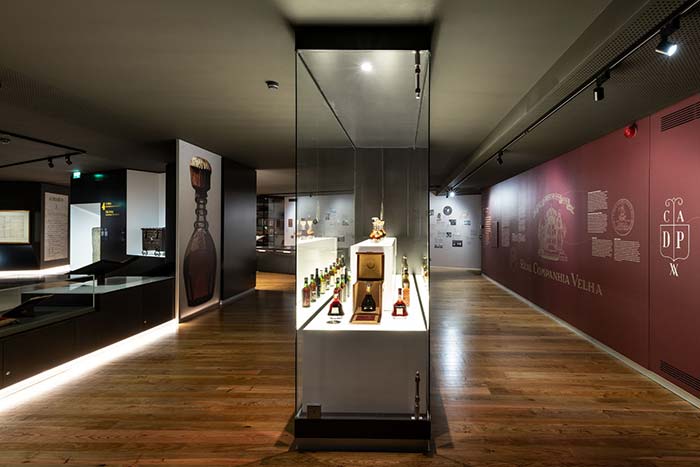
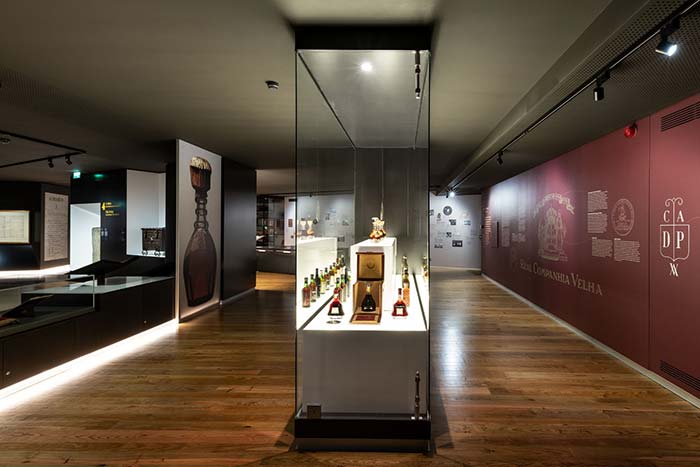
The permanent exhibition ends with a section dedicated to the identity and corporate image of Real Companhia Velha. The Company’s graphic identity is highlighted by the interpretation and detailed description of each component of its logo.

The objects displayed emphasise the evolution of that commercial identity throughout its history. The last display case presents a number of historic Port bottles produced by the Company that defined its trade identity and its history over the centuries. The Real Companhia Velha instituticional film alongside a selection of photographs from estates in the Douro wine-growing area underline the wine production that marked and shaped this region, revealing the identity of the company nowadays.

Núcleo 1
The origins of Real Companhia Velha – Companhia Geral da Agricultura das Vinhas do Alto Douro

O núcleo expositivo apresenta o contexto político e económico que levou à criação, em 1756, da Companhia Geral da Agricultura das Vinhas do Alto Douro, responsável por regulamentar a produção e o comércio de vinho na região, marcando um momento decisivo na sua história.
O espólio exposto reúne ferramentas e alfaias agrícolas que ilustram os processos de trabalho no Douro e a construção dos socalcos, símbolos da paisagem vinícola que consolidaram a identidade e o prestígio da região.

Núcleo 2
Personalities

The second section of the exhibition is dedicated to the personalities that marked the path of Real Companhia Velha. Prominent here are the portraits of the Marquis of Pombal and of King D. José I.
Personalidades que marcaram a história nacional e que estão na origem da fundação desta instituição.
Neste núcleo, o visitante pode ainda conhecer todos os provedores e presidentes que dirigiram esta Companhia Pombalina ao longo dos séculos.

Núcleo 3
The Chartered Company

No terceiro núcleo expositivo é apresentada a Real Companhia Velha enquanto instituição privilegiada e majestática, com as suas prerrogativas e privilégios. Este período corresponde à fase que decorreu desde a sua instituição, em 1756 e o ano de 1834.
Para apoiar esta narrativa, que caracteriza a Companhia enquanto instituição majestática, a sua atuação e os seus objetivos, expõem-se diversas peças e documentos que marcaram essa época. Como é o caso do Alvará Régio, a primeira ação da Companhia, ou ainda os exemplares dos Tombos da Demarcação por ela produzidos.

Núcleo 4
Transforming the Territory

Este núcleo evidencia os projetos territoriais da Companhia, com destaque para as obras no rio Douro, como a demolição do Cachão da Valeira, que permitiram a navegabilidade e facilitaram o transporte do vinho até ao Porto e ao mundo.
Entre o espólio destacam-se o marco de feitoria e o mapa original da região vinícola assinado por Sebastião José de Carvalho e Melo. O espaço inclui ainda um filme sobre os tripulantes do barco rabelo e uma plataforma interativa dedicada ao Douro demarcado.

Núcleo 5
Education

A quinta área expositiva revela o papel da Companhia na origem do ensino superior técnico no Porto, através da criação da Aula de Náutica e da Aula de Debuxo e Desenho, precursoras da Academia Politécnica e, mais tarde, da Universidade do Porto.
Destaca-se ainda a adoção pioneira do método contabilístico de partidas dobradas. Nas vitrinas, a reconstituição de um escritório partilha espaço com livros de contas que testemunham esta vertente da história da Companhia.

Núcleo 6
Abrangendo o Mundo

O penúltimo núcleo expositivo destaca a dimensão internacional da Real Companhia Velha, evidenciada num mapa mundi interativo que revela as relações comerciais estabelecidas ao longo da sua história.
De um lado, stencils mostram os destinos do vinho da Companhia; do outro, um friso cronológico contextualiza os principais marcos da sua trajetória em paralelo com a história nacional e internacional.

Núcleo 7
Identity

A exposição encerra com uma área dedicada à identidade corporativa da Real Companhia Velha, destacando a interpretação do logótipo e a evolução da sua imagem ao longo do tempo.
Entre os objetos expostos figuram garrafas históricas, fotografias das quintas do Douro e o vídeo institucional, que evidenciam a herança vinícola e a atualidade da empresa.

Núcleos Expositivos

To stay connected with us please login with your personal info.

New membership are not allowed.

Enter your personal details and start journeying with us.